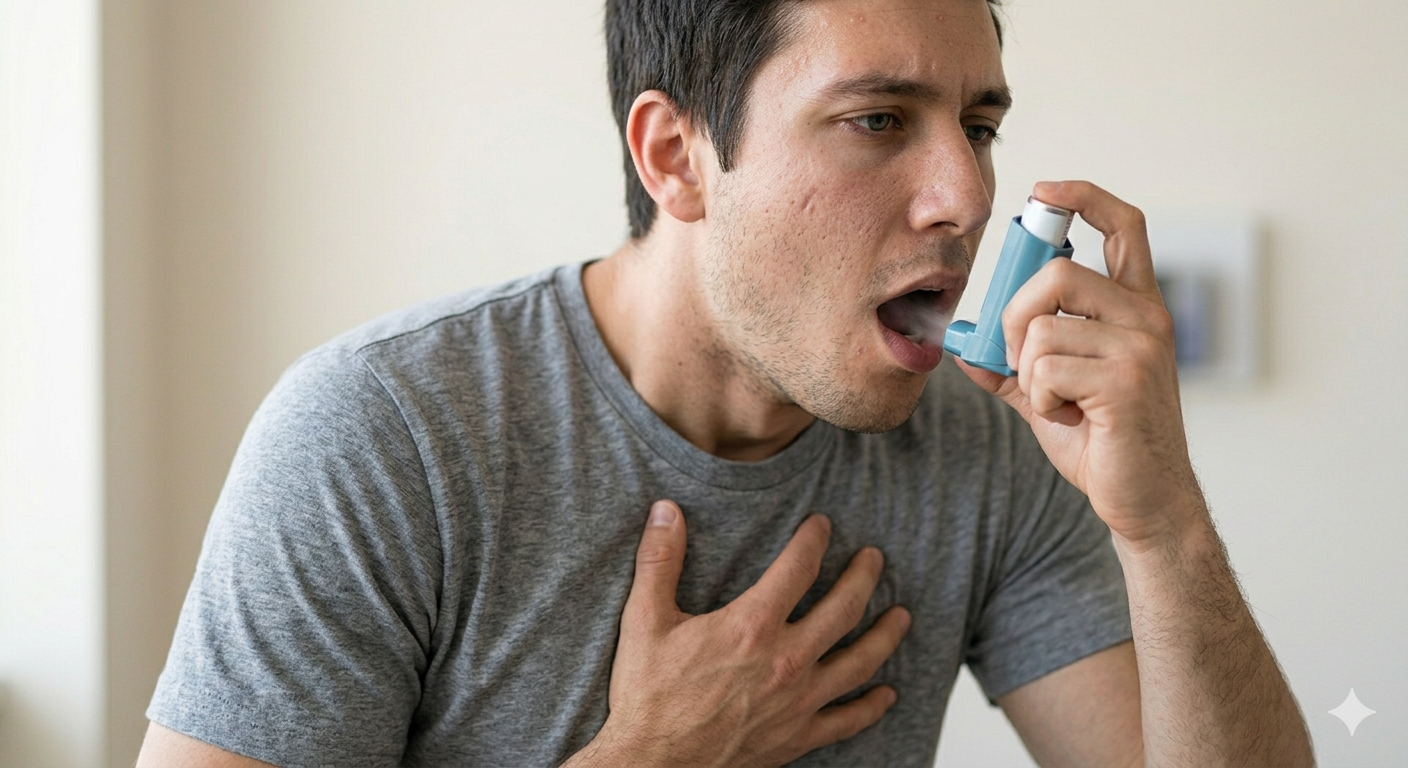
Understanding Asthma in Ayurveda
Ayurveda describes Asthma under the heading of Shwas Roga — a group of disorders characterised by difficulty in breathing at various levels of severity. Most stages arise due to vitiation of diet and lifestyle over time.
According to Ayurvedic principles, aggravated Kapha dosha accumulates in the respiratory channels (Pranavaha Srotas), producing excess mucus that obstructs the airways. Simultaneously, Vata dosha — which governs all movement in the body including breathing — becomes disturbed and flows in the wrong direction (Pratiloma Vata), producing the classic symptoms of wheezing, breathlessness, and chest tightness.
Any food item or environmental factor that is perfectly tolerable for one person may act as a strong allergen for another. These abnormally reacting factors — dust, cold air, pollen, fried food, dairy — trigger hypersensitivity reactions that precipitate asthma attacks.
Ayurvedic treatment works through two primary approaches: Shodhan (detoxification) using Panchakarma therapies to cleanse the Pranavaha Srotas and remove accumulated Kapha and toxins from the deepest layers of the respiratory channels, and Shaman (balancing) using herbal medicines, diet correction, and lifestyle adjustments to restore Dosha balance, strengthen immunity, and prevent future attacks.
Herbs like Garlic, Turmeric, Tulsi, Dried Ginger, and Black Pepper — combined with warm water — help relieve symptoms naturally and strengthen the respiratory system over time.
Aggravated Kapha produces excessive mucus that obstructs the airways, reduces airflow, and causes the characteristic heaviness and congestion in the chest. Vaman therapy and Kapha-clearing herbs are the primary treatment.
Disturbed Vata flowing in the wrong direction (Pratiloma Vata) through the respiratory channels causes wheezing, breathlessness, and spasms of the airway muscles. Vata-pacifying oils, Basti, and breathing exercises restore normal flow.
Symptoms of Asthma
Ayurvedic Causative Factors (Nidana)
- Vitiation of Vata and Kapha doshas from poor diet and lifestyle (primary Ayurvedic cause)
- Environmental pollutants — dust, smoke, vehicular pollution
- Allergens — pollen, mold, animal dander, cold air
- Consumption of curd, refrigerated food, cold drinks, and fried food
- Viral and respiratory tract infections weakening the airways
- Overweight and obesity reducing lung capacity
- Chronic stress and anxious lifestyle aggravating Vata
- Genetic predisposition and family history of asthma or allergies
- Occupational exposure to chemicals, fumes, or dust
- Use of tobacco and smoking directly damaging the Pranavaha Srotas
Our Ayurvedic Treatment Protocol
Treatment is always individualised after full assessment.
Is Ayurveda Right for Your Asthma?
Every case is different. Book a consultation and our Vaidya will give you an honest treatment plan for your specific case.
Diet & Lifestyle (Pathya-Apathya)
✓ Beneficial (Pathya)
- Warm water — drink throughout the day, avoid cold water entirely
- Garlic, ginger, and black pepper — natural bronchodilators
- Turmeric (Haldi) in warm milk — anti-inflammatory and immune-boosting
- Tulsi (Holy Basil) — antihistamine and antiasthmatic herb
- Cloves — relieve bronchospasm and strengthen respiratory channels
- Light, warm, freshly cooked meals — easy to digest, Kapha-reducing
- Pomegranate and seasonal fruits — antioxidant, Pitta-pacifying
- Honey with ginger juice — natural expectorant and airway soother
- Regular yoga and deep breathing exercises — minimum 30 minutes daily
- Waking up before sunrise and maintaining timely eating and sleep schedule
✗ To Avoid (Apathya)
- Curd (dahi) — significantly increases Kapha and mucus
- Refrigerated and cold food items — trigger Kapha aggravation
- Cold drinks and ice cream — immediate airway constriction trigger
- Fried and processed food — increase Kapha and inflammation
- Bakery products — maida increases mucus production
- Tobacco and smoking — directly damage the Pranavaha Srotas
- Perfumes and strong chemical smells — common allergen triggers
- Dusty and smoky environments
- Cold air and freezing temperatures — major asthma trigger
- Excess pulses, rajma, and heavy-to-digest foods
Frequently Asked Questions
Yes — Ayurveda has successfully treated thousands of chronic asthma patients with permanent results. The key difference is that Ayurveda addresses the root cause — Dosha imbalance, allergen hypersensitivity, and weakened respiratory immunity — rather than just suppressing symptoms with inhalers. Panchakarma therapies detoxify the allergens responsible for attacks, while herbal medicines rebuild respiratory immunity. Patients who follow the complete protocol including diet and lifestyle corrections typically achieve long-term freedom from asthma attacks. The process requires consistent effort over 1–2 years but offers permanent results.
Both types involve Vata-Kapha vitiation but the trigger and treatment emphasis differ. Allergic asthma is driven primarily by hypersensitivity of the immune system to external allergens — treatment focuses on reducing Kapha-driven mucus, desensitising the immune response with herbs like Haridra and Tulsi, and Panchakarma detoxification to remove accumulated allergens from deep tissue. Bronchial asthma involves structural weakness of the lungs and airways — treatment emphasises Rasayana therapy to strengthen lung tissue, Pranayama to rebuild respiratory capacity, and Vata-pacifying therapies to restore normal airflow. Both require individualised assessment.
Initial symptom relief is typically seen within 2–4 weeks of starting herbal medicines. A significant reduction in attack frequency occurs within 2–3 months. Complete treatment — including Panchakarma detox, herbal medicines, and lifestyle correction — spans 1 to 2 years for chronic cases. Patients with mild to moderate asthma of less than 5 years’ duration often respond faster with medicines and diet alone. Chronic cases of more than 5 years typically require Panchakarma alongside medicines for best results.